Amelia Pawelczyk
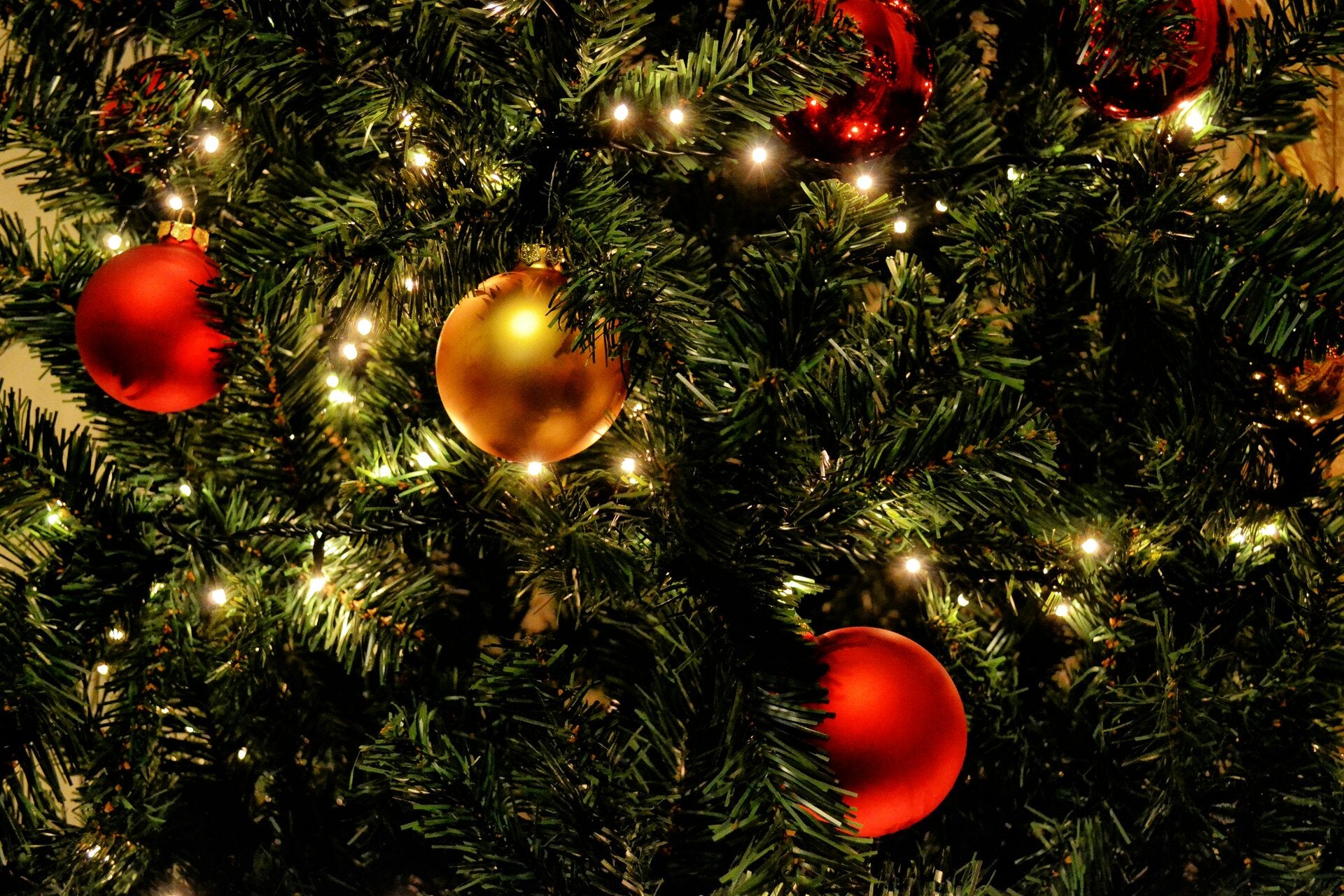
Since Christmas is fast approaching, it is important to acknowledge how different people celebrate this time of year. This article will provide an overview of different regions and countries, how they celebrate, the food they eat, and even the date they celebrate!
Poland
To begin, Poland celebrates Christmas on both the 6th of December, and the 24th. And you may be wondering, why the 6th? Well, in Poland, this is when the christmas traditions start, marking the start of the season. The sixth commemorates the death of the historical Saint Nicholas, who was a 4th century Bishop known for his secret gift giving, which is why Poland believes that it is important to honour his charitable acts. Nonetheless, on this day, children leave their shoes or boots out, and St Nicholas (Swiety Mikolaj, also known as Santa), fills the with small presents, such as sweets or “stocking fillers”, and even a lump of coal for naughty children! The main gift giving event is on the 24th, Wigilia, where different figures like an Angel (Aniołek) or Baby Jesus (Dzieciątko) deliver presents, as Mikołaj (Santa) is considered tired from his journey from the 6th of December.
The meal only begins once the first star is sighted, which represents the star of Bethlehem. One spotted, the evening starts with sharing opłatek (A blessed wafer) around the table, in which you wish other people well, or ask for forgiveness; symbolising love and also the behaviour of the Apostles. The Christmas meal features Carp (a type of fish), Barszcz (Beetroot soup) with uszka (Dumplings, typically with mushroom filling), Mushroom Soup, Pierogi, and Makowiec (Poppy seed cake). Furthermore, it is also considered vital to set a plate for potential guests or the departed, so that if someone knocks to spend Christmas with the family; the plate symbolises that they are welcome. And after the meal is over, that’s when the family comes together to open presents underneath the tree.

Carp
Spain
Spanish Christmas traditions center of family meals on Nochebuena (Christmas eve) typically with Midnight Mass, elaborate Nativity scenes ( Belenes) and sweets such as turrón. However, the main gift giving celebration is on the 6th of January with the arrival of the Three Kings (Reyes Magos), although some households receive small gifts from Papá Noel (Father Christmas), on christmas day.
Around the Christmas period, festive lights and illuminations are seen across the country, with even bigger, brighter displays in the larger cities, such as Madrid and Barcelona. Seville also holds a Nativity fair next to the Cathedral, with stalls selling miniature crafted pieces to creat your own Nativity scene. You’ll also find other unique traditions around the country, including Tio de Nadal, the christmas log in Catalonia! From December 8th, the log is covered in a small blanket and given food to “eat”, then on Christmas Eve or Christmas Day, people sign special songs and hit the log until sweets, nuts and dried fruits drop out.
For many families in spain, Christmas really begins with El Gordo, which is the National Christmas lottery on December 22nd, where children will chant the winning numbers. 75% of the population contributes to this and you will often find winners celebrating in the street!
Moving swiftly, the traditional Spanish Christmas dinner consists of : Entremeses, which are usually served at the start of Christmas meals, with jamon and chorizo among some of the favourite choices; Sopa de Galets, the most popular starter in Catalonia (this savoury soup can take up to 15 hours to make!) and it contains pasta shells which are sometimes filled with meat; Cochinillo (Suckling pig), often the highlight of the festive meal on christmas Eve; Gambas, prawns or crayfish are another popular part of the Christmas meal, specifically in regions surrounding the coast.

Tio de Nadal
Japan
In Japan, the holiday season is celebrated the exact opposite way as it is in western countries. Christmas is the time for friends and couples to have parties and make plans to meet up for dinner, and the New Year is the time of year when all members of the family come together.
A fun fact about the Japanese holiday season is that it is the most romantic day of the year! It is considered the Japanese version of Valentines Day! Japanese couples book dinners at romantic restaurants, the markets and stores sell romantic christmas gifts, and the streets are decorated to perfection to embody this most romantic day.
Another surprising tradition is that KFC is Japans biggest Christmas meal! Every Christmas, it is estimated that 3.6 million Japanese families get their holiday meal from KFC. The demand is so extreme that people start placing their orders for the special Christmas menu 6 weeks in advance, and the wait in line on Christmas day is so long that it takes hours for people to receive their meal. This tradition stems from over 40 years ago to the first KFC manager in the country, Takeshi Okawara. The idea of a Party Bucket to be sold on Christmas day, came to him in a dream not long after the company arrived in Japan in 1970. In 1974, KFC Japan has launched a massive national christmas marketing campaign which proved to be a massive success, becoming todays national tradition and the most popular meal for Christmas.

Japanese KFC during Christmas
Iceland
Icelands Christmas traditions center around 13 mischievous Yale Lads, in which visit from the 12th of December to the 24th, leaving small gifts in shoes for good children, and potatoes for the naughty ones. They are considered to be the Icelandic equivalent of Santa, but in reality, theyre not quite like Santa at all. According to Icelandic Folklore, their parents live in a cave and eat icelandic children! And once upon a time, the Yule lads did the same, but nowadays they are considered much more innocent. But that does not mean that they cause no trouble. The first to arrive is Stekkjastaur ( On the night of the 11th of December) with a wooden leg, who bothers the sheep in Icelanders’ farms. The following day, Giljagur arrives, known for stealing the froth from cows milk. One by one they arrive. The next night, Stúfur arrives, the shortest brother, who steals food from frying pans! And the list of brothers continues; Bowl licker, Door slammer, Skyr gobbler, sausage stealer, Window peeker, Door sniffer, Meat Hook and the Candle beggar.
They also celebrate something called the Christmas Book Flood, a beloved tradition where books are exchanged on christmas eve, followed by a night of reading them.
The final day before Christmas begins is known as St Thorlacs Mass, named after the Iceland Patron Saint. According to tradition, this is the day when Icelanders finish decorating their Christmas tree and buying or wrapping up any gifts. Its common for people to go out and meet with friends, having a drink at a bar, before they settle with family for Christmas.
The most important day of the christmas calendar is called Jól Eve, celebrated on the 24th. The morning is spent finishing any final preparations before the celebration begins at 6pm. Then, the big Christmas meal begins, which usually consists of smoked lamb..

The 13 Brothers
Add comment
Comments
Wow this is interesting learning about these cultures really helped me polish up my knowledge globally thank you this was one of my favourite reads.