Amelia Pawelczyk
In recent times, true crime has become one of the most appealing, popular genres. But is it ethical to build consumerism around tragic stories?
The glamorisation of True Crime occurs when media outlets (typically seen on Youtube or Netflix documentaries) present real life violence for commercial gain. This is often directed to be aestheticised, with often presenting criminals in an alluring manner- which obscures the suffering of the victims and their families.
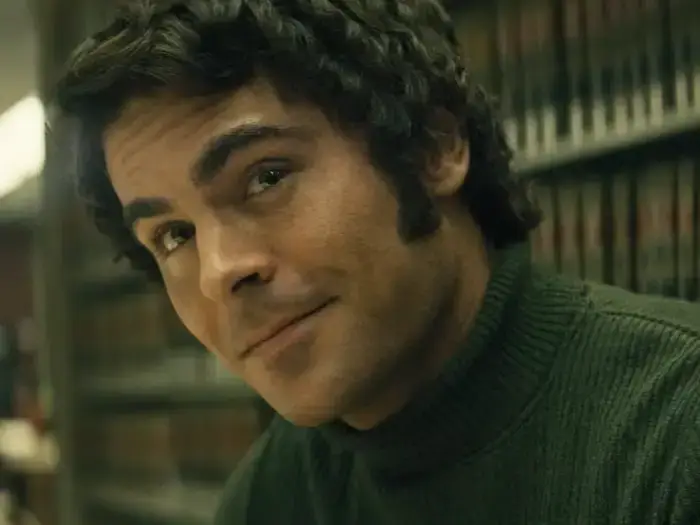
One of the aspects in the glamorisation of True Crime is casting attractive actors to play Criminals. This is a primary method of glamorisation, casting conventionally attractive or famous actors to play murderers, which leads to audiences viewing the perpetrators as “charming”, “sexy” or even “misunderstood”; when in reality, this is the furthest from the truth. Through this, the line between the actors appeal and the criminals horrific actions becomes blurred, contributing to fan culture around real murderers; making them seem like fictional characters.
Another issue with True crime dramas like this is the lack of consultation towards the victims families about the production of the series or film- especially since a lot of them are advertised as being made with victims in mind. Even though the records are public and companies are theoretically free to do whatever they wish with them, the ethical thing to do would have been to contact them and try to work with them. Producers further reinforce this as they use sensationalism for entertainment, using dramatic reenactments, suspenseful music and graphic details to make the content profitable and binge worthy. This approach completely neglects the factual and educational aspects of crime, and appeals the content to be profitable and prioritising entertainment value instead.
Nonetheless, many narratives including documentaries and fictionalised series present the centre of the storyline through the lens of the perpetrator, highlighting their life, motives or tragic past to generate sympathy or curiosity- minimising the victims stories to plot points- whilst also presenting their stories as being misunderstood.
This is evident in the Netflix series "Monster: Ed Gein”, where the producer has not only presented misinformation for entertainment, but also humanised the killer to make the audience feel sorry for him. And if that isn’t messed up then what is?
Peoples tragedies should not be shared for consumerism and should not be made profitable. Victims stories need to stick to the factual information rather than being turned into entertaining plot twist.
Amelia Pawelczyk
Add comment
Comments